If you are drawn to established neighborhoods with mature trees, practical amenities, and a strong sense of place, Central Fremont deserves a closer look. This part of Fremont is not one single neighborhood experience, and that is exactly what makes it appealing to so many buyers and homeowners. From classic ranch-style streets to more walkable areas near Downtown, Central Fremont offers a range of day-to-day lifestyles. Let’s dive in.
Central Fremont has a layered feel
Central Fremont feels more like a collection of classic neighborhoods than one uniform suburb. According to the City of Fremont’s planning framework, Cherry/Guardino and Parkmont sit within the Central/City Center area, while Centerville and Glenmoor are part of the Centerville frame.
That matters when you are choosing where to live. In practical terms, each area offers a different rhythm, housing pattern, and relationship to parks, shopping, and transit. If you know what kind of daily routine you want, Central Fremont gives you options within a relatively connected part of the city.
Glenmoor offers classic mid-century appeal
If you picture Central Fremont as tree-lined streets with ranch homes and a neighborhood-first layout, Glenmoor is often what comes to mind. The City of Fremont describes Glenmoor Gardens as the city’s largest subdivision, dating to the 1950s, with 1,624 homes across more than 600 acres.
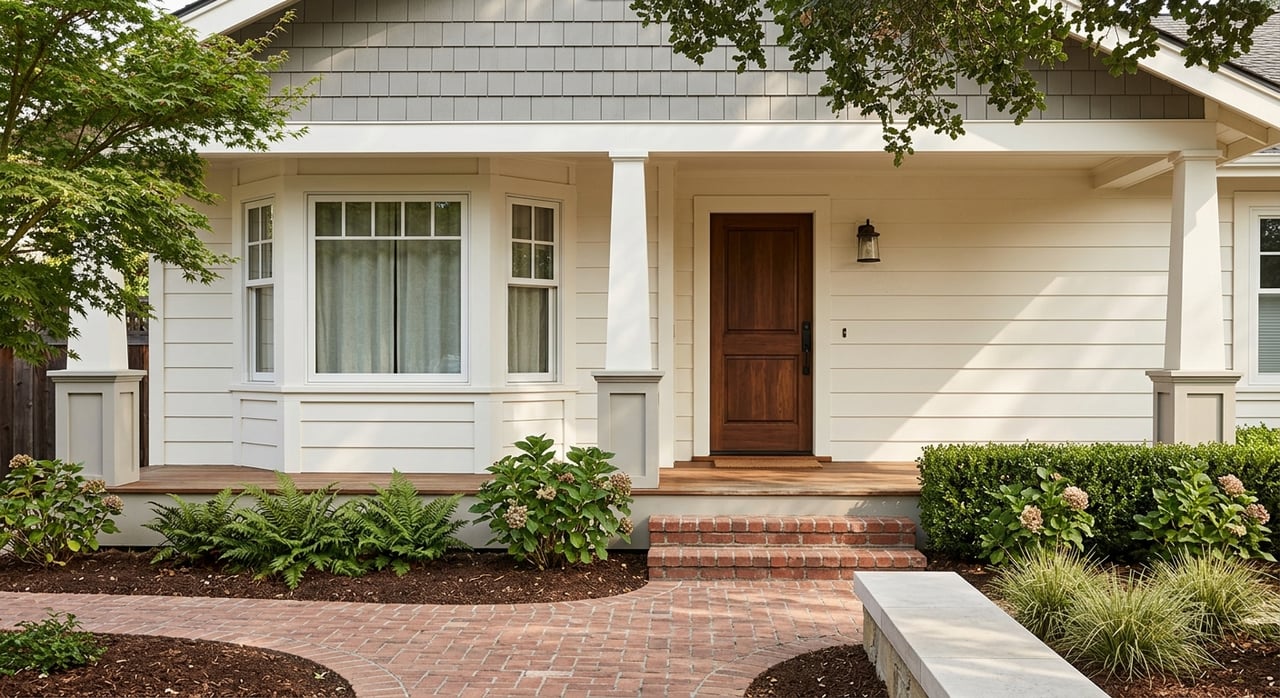
The neighborhood was planned around parks, schools, and a shopping center, and that original design still shapes how it feels today. The city’s design guidelines point to low single-story ranch homes, flat terrain, mature trees, and consistent setbacks that create a semi-rural suburban feel.
For you as a buyer or homeowner, that often translates into a quieter residential setting with a more traditional neighborhood pattern. It is the kind of place where the physical layout supports a steady, residential pace of life.
Centerville blends history and daily convenience
Centerville has a different personality. Fremont’s historic district information says Centerville still retains its original charm and personality, which helps explain why it feels less like one master-planned tract and more like an older district with varied blocks and a long-standing commercial spine.
That variety can be appealing if you want a neighborhood that feels a little more layered and less uniform. City projects also show ongoing investment in Centerville’s corridor, which supports both mobility and daily convenience.
In everyday life, Centerville often feels connected and practical. You have neighborhood-serving businesses, access to transit, and a district identity that has remained important to Fremont over time.
Parkmont and Cherry/Guardino feel closer to downtown
If you want to be nearer to Fremont’s urban core, Parkmont and Cherry/Guardino may stand out. These neighborhoods sit within the Central/City Center frame, where the city is encouraging a more walkable, transit-oriented pattern near Downtown Fremont, Fremont Hub, Gateway Plaza, and Fremont Plaza.
The city’s development plans also point to growth in multifamily and mixed-use housing around Fremont BART and the ACE/Amtrak station in Centerville. In day-to-day terms, that usually means a more compact feel, with more condos, townhomes, apartments, and mixed residential formats than you are likely to find in Glenmoor.
For some residents, that is a major advantage. If your routine includes errands, dining, transit use, or being close to the city center, these neighborhoods can offer a more connected experience.
Central Park shapes everyday life
One of Central Fremont’s biggest lifestyle advantages is access to major open space. Central Park sits in the heart of Fremont and covers more than 450 acres, with an 80-plus-acre lake and a two-mile trail around Lake Elizabeth.
The park includes a dog park, golf course, Aqua Adventure Waterpark, picnic areas, sports fields, and a skate park. That kind of scale changes how a neighborhood lives. Instead of treating outdoor time like a special outing, you can make it part of your normal week.
For many people, this is one of the biggest reasons Central Fremont feels so livable. Large parks and flexible recreation space add breathing room to daily life, whether you want a morning walk, an afternoon with family, or a place to unwind close to home.
Community spaces add everyday connection
Central Fremont also benefits from a strong community-facility network. The Centerville Community Center sits within a 10-acre park in the heart of Fremont, giving residents another place for activities, programs, and gatherings.
The city is also building a new Central Park community center next to the Fremont Main Library near Stevenson Boulevard and Paseo Padre Parkway. The planned facility is expected to add flexible space for fitness, arts, enrichment, meetings, and events.
That kind of investment matters over time. It supports the everyday side of neighborhood life and gives residents more places to connect, learn, and participate close to home.
Commute access is a real advantage
Transportation is one of the strongest practical benefits of living in Central Fremont. Fremont Station, located at 2000 BART Way, is served by BART’s Berryessa/North San Jose and Daly City lines and includes parking, bike lockers, restrooms, and AC Transit connections.
The City of Fremont also lists AC Transit, ACE, Amtrak, and BART among the area’s local transit options. If you commute across the Bay Area or want alternatives to driving for every trip, that level of connectivity can make a noticeable difference.
Centerville is especially well positioned on this front. The city says the Centerville Complete Streets project sits in the heart of the Centerville commercial district and near businesses, transit lines, and the Centerville ACE/Amtrak station.
The Fremont Boulevard Multimodal Corridor also helps connect Centerville with Downtown and City Center, along with shopping areas and regional transit hubs. That means transportation is not just about regional access. It also supports moving around Fremont more easily by bike, on foot, or via transit.
A current BART note to keep in mind
If you plan to rely on Fremont Station, there is one near-term issue worth noting. BART says parking, bike facilities, and pedestrian pathways at Fremont Station are being reduced through February 2027 because of a track rebuilding project that begins the week of May 25, 2026.
That does not erase the station’s long-term value, but it may affect your short-term routine. If you usually drive to BART or depend on certain station access points, it is smart to factor that into your planning.
Errands are easy in the city center
For day-to-day convenience, Downtown and City Center give Central Fremont a strong practical edge. The City of Fremont describes Downtown Fremont as a 110-acre district near Fremont BART and anchored by Fremont Hub, Gateway Plaza, and Fremont Plaza.
The city also notes that retailers such as Whole Foods, Mega Mart, and Trader Joe’s are within walking distance there. In addition, the broader City Center includes three regional hospitals, which adds another useful layer of services nearby.
If you value the ability to combine errands in one area, this part of Fremont works well. Grocery runs, shopping, and everyday appointments can feel more streamlined when so many services are concentrated close together.
Centerville has a neighborhood-serving commercial feel
While Downtown and City Center offer the largest concentration of retail, Centerville brings a different kind of convenience. City project pages describe the Centerville commercial district as being close to businesses, shopping, food destinations, grocery stores, and regional transit.
That creates a more neighborhood-serving experience. Instead of feeling tied only to a major retail hub, Centerville supports a day-to-day pattern where local businesses and transit are woven into the district itself.
For many residents, the choice comes down to preference. You may prefer the larger downtown retail concentration, or you may like the older corridor feel and more local rhythm of Centerville.
Which Central Fremont neighborhood fits you?
The best part about Central Fremont is that it gives you multiple versions of convenience and character in one broad area. Glenmoor and parts of Centerville often feel quieter, more residential, and more yard-oriented.
Parkmont and Cherry/Guardino tend to feel closer to the city’s walkable downtown core and transit network. Neither is inherently better. The better fit depends on whether you want classic mid-century streets, an older district feel, or easier access to downtown amenities and transit.
If you are buying, this is where hyperlocal guidance really matters. Two neighborhoods can both fall under “Central Fremont” and still offer very different daily experiences, housing patterns, and long-term appeal. If you are selling, understanding those differences also helps position your home more effectively in the market.
Central Fremont’s classic neighborhoods continue to attract attention because they offer something many buyers still want: established surroundings, usable parks, practical commute options, and a clear sense of place. If you want help understanding which part of Fremont best fits your goals, connect with Joe Schembri.
FAQs
What is Glenmoor like in Central Fremont?
- Glenmoor is a classic mid-century neighborhood known for single-story ranch homes, mature trees, flat terrain, and a neighborhood layout planned around parks, schools, and a shopping center.
What is Centerville like for daily living in Fremont?
- Centerville has an older district feel with varied blocks, a neighborhood-serving commercial corridor, and strong transit access near the ACE/Amtrak station and local bus routes.
What are Parkmont and Cherry/Guardino like in Fremont?
- Parkmont and Cherry/Guardino are closer to Downtown and City Center, with a more compact and transit-oriented feel that often includes condos, townhomes, apartments, and mixed-use development.
What parks are near Central Fremont neighborhoods?
- Central Park is the major open-space anchor, with more than 450 acres, Lake Elizabeth, a two-mile lake trail, sports fields, picnic areas, a dog park, a skate park, golf, and a waterpark.
How is commuting from Central Fremont?
- Central Fremont offers strong regional connections through BART, AC Transit, ACE, and Amtrak, with Centerville standing out for especially close access to multiple transit options.
What should Fremont commuters know about Fremont Station right now?
- BART has said parking, bike facilities, and pedestrian pathways at Fremont Station are being reduced through February 2027 because of a track rebuilding project, so commuters may want to plan ahead.