If you have ever wanted a Fremont neighborhood that feels a little different from the rest of the city, Niles and Vallejo Mill deserve a closer look. This is the part of Fremont where historic storefronts, older homes, railroad history, and open-space connections all come together in a way that feels grounded and memorable. Whether you are thinking about buying, selling, or simply getting to know the area better, this guide will help you understand what makes this neighborhood stand out. Let’s dive in.
Why Niles and Vallejo Mill stand out
Niles and Vallejo Mill are closely connected, and in many ways they are the same historic place seen through two names. Vallejo Mills is the older name tied to the flour mill built here by José de Jesús Vallejo, while the area later became known as Niles. Today, the neighborhood sits within Fremont’s 2.2-square-mile Niles Community Plan Area in the city’s northeast corner.
What makes the area distinct is its setting and character. Fremont describes Niles as one of the city’s five original towns, with historic buildings, old railroad lines, a traditional pedestrian-oriented business district, and relatively low traffic volumes. Surrounded by the Fremont Hills, Alameda Creek, Quarry Lakes, and part of Niles Canyon, it feels tucked into the landscape rather than built in the more uniform pattern you see in many newer neighborhoods.
Historic roots shape daily life
Niles has a long local story, and that history still shows up in the way the district looks and functions today. Local sources tie the area to agriculture, railroading, and early silent-film production, which gives the neighborhood a sense of identity that is hard to replicate. It does not feel like a place where history is just remembered on a plaque. It feels lived in.
That heritage remains visible in everyday experiences. The Niles Canyon Railway still operates as a living history museum with scenic excursions and special events, and silent films are still shown on Saturday nights at the local museum. For many buyers and homeowners, that kind of continuity adds texture to the neighborhood and makes it feel more personal than a typical suburban setting.
Streetscape and layout feel different here
One of the first things you may notice in Niles is the street pattern. The historic core was originally platted in 1888 with 300-foot blocks, alleys, a rectangular grid, and business frontages that sit directly on the sidewalk. That layout creates a smaller-scale, more walkable feel in the center of the district.
The surrounding residential areas shift in character as you move away from the core. City planning documents note that nearby neighborhoods are more suburban, with short winding streets and cul-de-sacs. Niles Canyon Road begins at Mission Boulevard and winds northeast through the hills toward Sunol and Interstate 680, which helps explain why the area feels sheltered by the canyon, creek, and foothills.
Home styles in Niles and Vallejo Mill
If you are exploring homes here, variety is one of the biggest themes. The housing stock is historically layered, which means you can see meaningful changes in style from block to block and street to street. That can be appealing if you want a neighborhood with more visual character and less repetition.
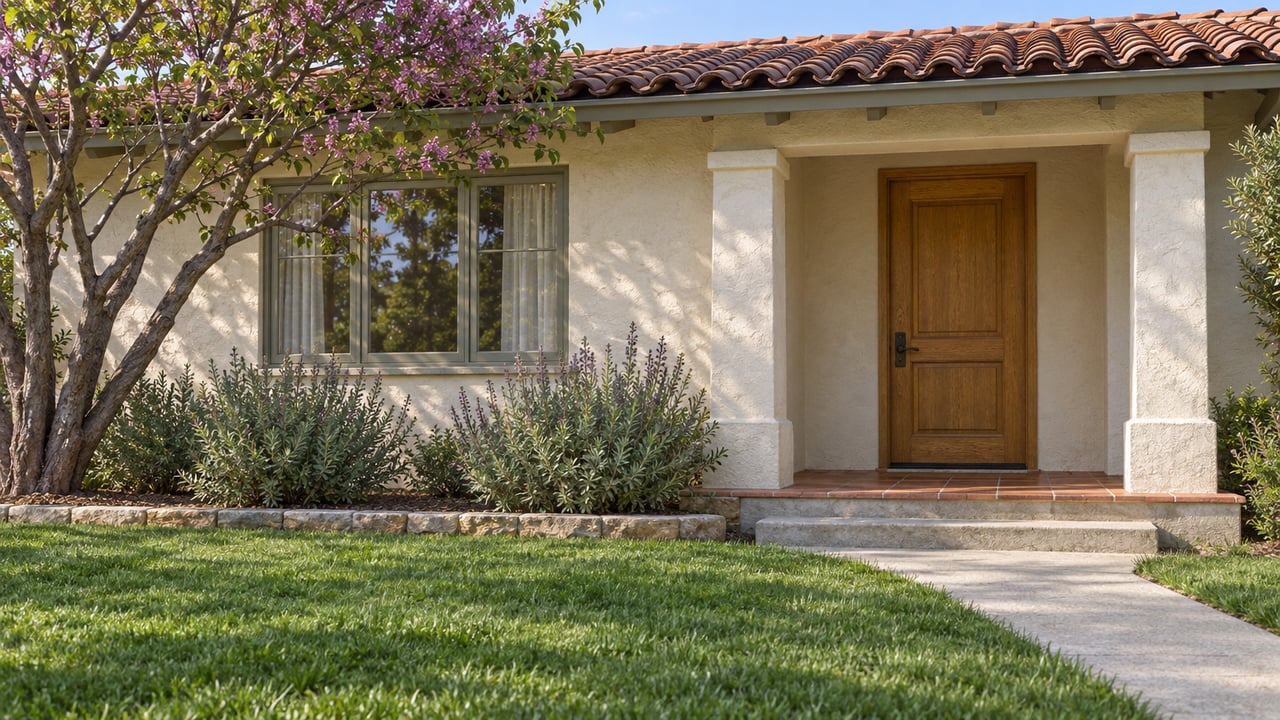
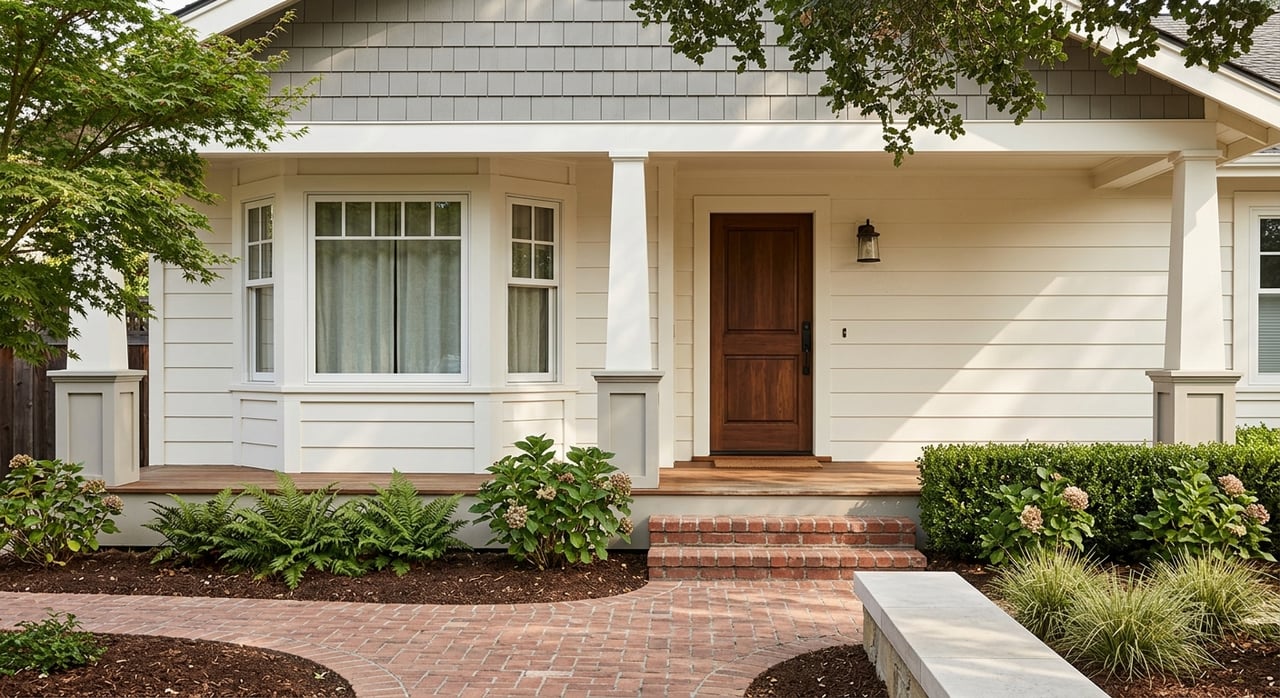
In the historic core, the city identifies Victorian houses east of H Street, along with Craftsman bungalows and Spanish Revival homes west of H Street. The commercial area also includes Victorian cottages, Craftsman bungalows, and apartments, while Second Street includes residential styles dating from the 1870s through the 1930s.
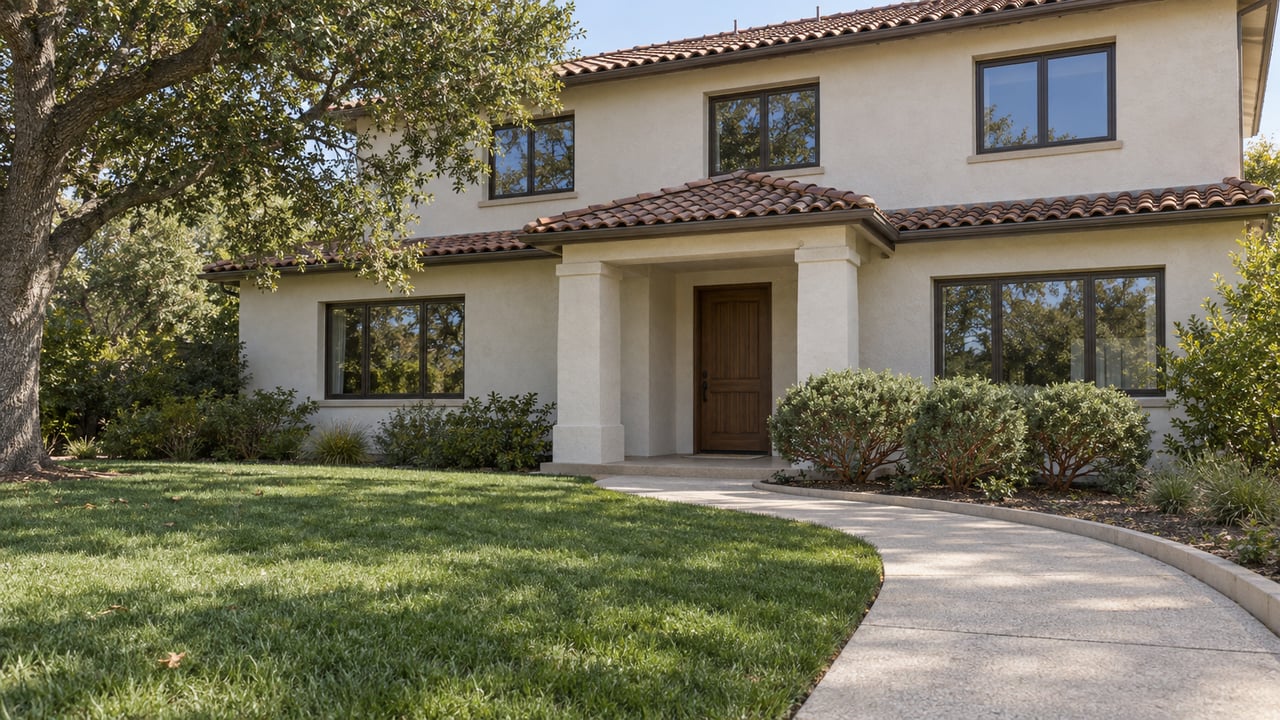
The area is not limited to older homes. Beyond the historic core, neighborhoods such as Niles Glen and Canyon Heights include single-family subdivisions as well as apartment and townhome developments. That gives buyers a wider range of options, from historically styled homes near the center to more suburban formats farther out.
Architecture adds to neighborhood identity
The architecture here goes beyond just residential styles. Fremont’s design guidelines describe a commercial fabric that includes Federalist, Moorish Revival, Art Deco, and Spanish Colonial Revival corner buildings, along with vernacular railroad-related structures and small apartments on side streets. That mix helps the district feel layered and authentic.
For sellers, this kind of setting can be an advantage when presenting a home to the market. Buyers often respond to places that have a clear sense of identity, especially when the home fits naturally into a neighborhood story. For buyers, it means you are not just evaluating square footage. You are also weighing streetscape, setting, and long-term appeal.
Parks and outdoor spaces nearby
Niles and Vallejo Mill also benefit from a strong outdoor identity. Niles Community Park offers open lawn space, a playground, tennis courts, picnic areas, and trail access. Niles Town Plaza & Historical Park adds a smaller civic-green setting with lawn, picnic, shade, bike, and drinking-fountain amenities.
California Nursery Historical Park preserves 20.1 acres of the former nursery operation and includes the Vallejo Adobe, which dates to 1842. That gives the broader area another layer of historic landscape and open space. It is a reminder that this part of Fremont blends neighborhood life with visible traces of the region’s past.
For people who enjoy biking and trails, the area also connects well to larger recreational corridors. Fremont highlights a paved route from Quarry Lakes along Alameda Creek to the historic Niles District and California Nursery Historical Park. Regional planning also points to future trail connections that would link Garin Regional Park, Vallejo Mill Historical Park, and the planned Niles Canyon Trail.
Vallejo Mill Historical Park status
If you are specifically looking into Vallejo Mill Historical Park, it is important to know its current status. The park marks the former flour-mill site and the stone aqueduct that parallels Niles Canyon Road. However, it is not open right now.
As of the city’s April 16, 2026 update, the park remains closed while reconstruction continues, with work having begun in August 2025 and reopening still pending. The approved site plan includes a dog park, four pickleball courts, driveway and parking improvements, fencing, and tree mitigation. So for now, Vallejo Mill is more accurately described as an active redevelopment story than a ready-to-use park amenity.
Community events give Niles its rhythm
A neighborhood’s personality is not just about buildings and parks. It is also about what happens there throughout the year. In Niles, recurring events are a big part of what keeps the district active and recognizable.
Local traditions include the Niles Altar Walk, the Antique Faire and Flea Market, the Wildflower, Art & Garden Show, the Broncho Billy and Friends Silent Film Festival, and the Festival of Lights Parade and tree lighting. Together, these events support the idea that Niles is not simply a preserved historic district. It is an active neighborhood with a steady civic calendar and a strong local identity.
Niles Main Street describes the area as a historic shopping district with a family atmosphere and a friendly shopping experience. City materials also point to local businesses, food, mural arts, local music, and one-of-a-kind stores as part of the district’s appeal. For many residents, that mix creates a daily-life experience that feels more personal and community-centered.
What buyers should notice here
If you are considering a home in the area, pay attention to how much the setting can vary within a relatively compact part of Fremont. The historic core offers a more traditional street grid and older architecture, while the surrounding neighborhoods can feel quieter, more winding, and more suburban. That difference can shape everything from walkability to home style preferences.
It is also worth looking closely at housing type. In and around Niles and Canyon Heights, you may find historic homes, apartments, townhomes, and single-family subdivisions. If your goal is to balance character, layout, and location, this neighborhood offers a broader mix than many buyers expect.
What sellers can highlight
For sellers, Niles and Vallejo Mill offer a neighborhood story that is easy for buyers to understand. Historic character, a small-town business district, rail and film heritage, and access to parks and trails all help create a clear identity. In a competitive market, that kind of distinction can matter.
The key is presenting the home in a way that fits the neighborhood context. Buyers looking in this area often care about more than finishes alone. They may also respond to architecture, block feel, proximity to the historic core, and the balance between charm and convenience.
Why local guidance matters
In a neighborhood with layered housing stock and micro-location differences, local knowledge can make a real difference. A historic cottage near the core, a bungalow on a character street, and a more conventional home in Canyon Heights may all appeal to different buyers for different reasons. Understanding how those differences affect pricing and positioning is important whether you are buying or selling.
That is where experienced Fremont guidance becomes valuable. The Joe Schembri Real Estate Team has deep local roots, more than 35 years of experience, and a long track record helping clients navigate Fremont’s neighborhood nuances with clear strategy and hands-on support.
If you are thinking about buying or selling in Niles, Canyon Heights, or the broader Fremont market, Joe Schembri can help you evaluate the neighborhood, understand current market positioning, and make a smart next move.
FAQs
Is Vallejo Mills the same area as Niles in Fremont?
- Yes. Vallejo Mills is the historic name tied to the old flour mill site, and the area later became known as Niles.
What types of homes are found in Niles and Canyon Heights?
- The area includes Victorian houses, Victorian cottages, Craftsman bungalows, Spanish Revival homes, apartments, townhomes, and single-family subdivisions.
What does the street layout feel like in Niles?
- The historic core has a small-scale grid with short blocks, alleys, and storefronts near the sidewalk, while surrounding neighborhoods are more suburban with winding streets and cul-de-sacs.
Is Vallejo Mill Historical Park open in Fremont right now?
- No. The City of Fremont says the park remains closed during reconstruction, and reopening is still pending.
What makes Niles feel different from other Fremont neighborhoods?
- Niles stands out for its historic business district, railroad and silent-film heritage, older architecture, recurring community events, and strong connection to nearby open space.