Thinking about trading Fremont for Pleasanton? It sounds simple until you start weighing the real differences in cost, commute, home style, and day-to-day feel. If you want a clearer picture of what you might gain, and what you might give up, this guide will help you compare the two cities in practical terms. Let’s dive in.
Fremont vs. Pleasanton at a Glance
If you look at current market data, Pleasanton is slightly less expensive than Fremont, but not by a huge margin. As of May 2026, Fremont’s median sale price was $1,564,064, while Pleasanton’s median sale price was $1,494,106.
Pleasanton also shows a lower median price per square foot. Fremont came in at $964 per square foot, compared with Pleasanton at $770, which suggests Pleasanton may offer more interior space for the money on a citywide median basis.
That said, both are still high-cost and competitive Bay Area markets. Fremont homes received 5 offers on average and sold in a median of 14 days, while Pleasanton homes received 3 offers on average and sold in a median of 21 days.
Price Trade-Offs to Expect
If your main goal is to lower your purchase price, Pleasanton may help, but only modestly at the citywide level. The median sale price gap is real, yet both cities remain expensive enough that your monthly payment may still feel very similar depending on the home type and neighborhood.
Where Pleasanton may stand out more is value per square foot. On median data, you may find that your budget stretches a bit further for interior space there than it does in Fremont.
Still, citywide medians only tell part of the story. Detached homes, condos, and townhomes all affect those numbers, so your actual comparison depends on the type of property you want to buy.
Home Style Differences Matter
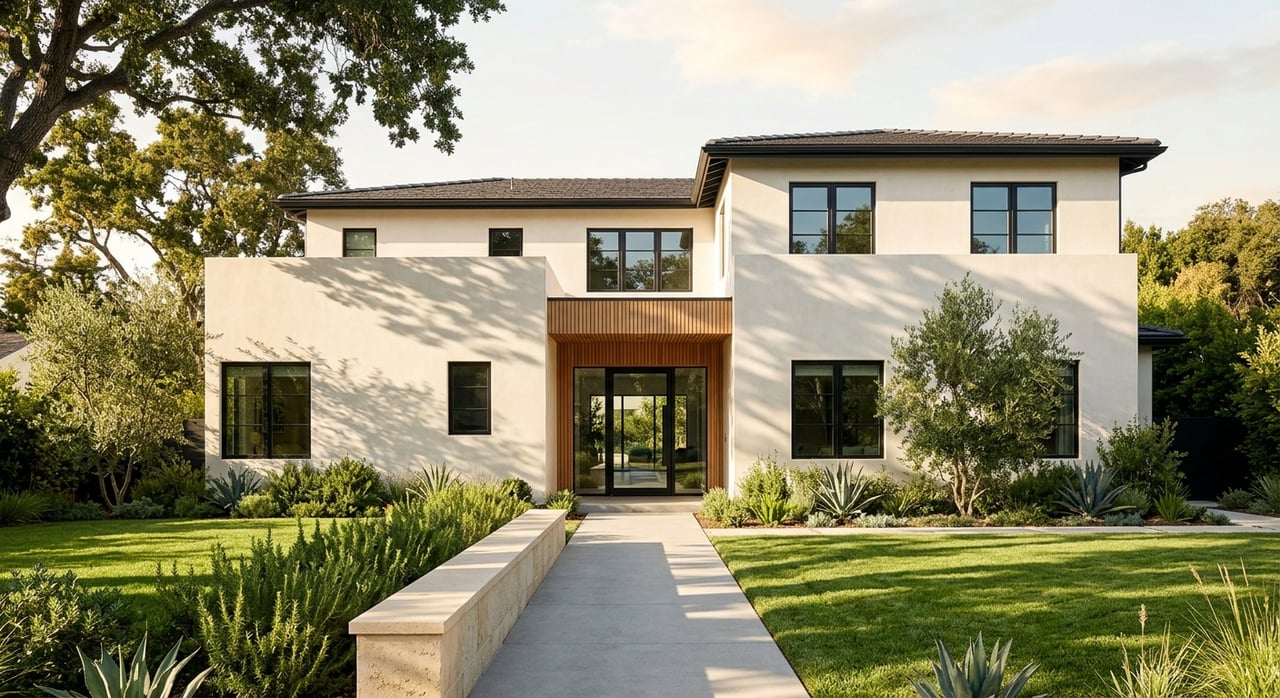
One of the biggest practical differences is the housing mix. Pleasanton leans more toward detached suburban homes, while Fremont offers a somewhat broader mix of detached homes, attached homes, and multifamily options.
Pleasanton’s housing data shows 60.0% detached single-family homes, 9.6% attached single-family homes, 5.6% two-to-four-unit housing, and 22.8% five-plus-unit multifamily housing. In simple terms, that means the housing stock is still heavily tilted toward single-family living.
Fremont’s housing data shows 57.8% detached single-family homes, 13.2% attached single-family homes, and 28.1% multifamily overall. That broader mix can give you more flexibility if you are open to a condo, townhome, or other attached product.
What this means for your search
If you want a more detached-home-oriented suburban feel, Pleasanton may line up better with your goals. If you want more variety in housing types across different neighborhoods and price points, Fremont may still offer more options.
This is an important trade-off because many buyers are not just choosing a city. You are also choosing how much space you want, how much maintenance you are comfortable with, and what kind of lifestyle fits your next chapter.
Commute Patterns Can Change Everything
For many households, the commute is the deciding factor. A move that looks great on paper can feel a lot less appealing if it adds daily friction to your workweek.
Pleasanton sits at the intersection of Interstates 580 and 680. The city also has access to Pleasanton Rides, Wheels, BART, ACE Rail, and Amtrak, with two BART stations along Interstate 580: West Dublin/Pleasanton and Dublin/Pleasanton.
Fremont is more tied to Interstates 680 and 880, along with Highway 84. Its transit options include AC Transit, VTA, ACE, Amtrak, BART, and paratransit services, and BART currently serves Fremont Station and Warm Springs/South Fremont Station.
When Pleasanton may fit better
Pleasanton may make more sense if your work and regular travel patterns line up with the Tri-Valley or the I-580 and I-680 corridor. If your routines already pull you east or north through those routes, the location may feel more natural.
When Fremont may still be easier
Fremont may still be the better fit if your commute depends on I-880, Highway 84, or access toward Peninsula and South Bay job centers. Geography matters more than city reputation when you are trying to protect your time every day.
City Size and Daily Feel
Fremont and Pleasanton do not feel the same in scale. The Census Bureau’s July 1, 2025 estimates show Fremont at 226,442 residents and Pleasanton at 74,556 residents.
That difference shapes everyday life. Pleasanton tends to feel smaller, more suburban, and more centered around parks, trails, and its historic downtown core.
The city says Pleasanton offers 46 community and neighborhood parks, more than 60 miles of trails, and over 700 acres of undeveloped open space. Its historic downtown is described as a vibrant center with chef-driven restaurants, independent shops, and more than 550 unique businesses.
Fremont, by contrast, is larger and more district-based. The city recognizes five districts: Centerville, Niles, Irvington, Warm Springs, and Mission San Jose, and it describes itself as a large Silicon Valley city with broad cuisine options, family-owned restaurants, parks, and hiking views.
Central Park alone spans more than 450 acres and includes an 80-plus-acre lake and a 2-mile trail. Fremont also notes that more than 98 languages are spoken in local homes, reflecting the city’s broad cultural mix.
Which lifestyle may suit you better
Pleasanton may appeal to you if you want a smaller-city feel, a compact downtown, and strong access to parks and trails. Fremont may appeal more if you like having a larger city with multiple districts, a wider range of neighborhood identities, and a broader cultural mix.
Neither is better in absolute terms. It comes down to whether you want a more compact suburban rhythm or a larger, more varied city environment.
Owner-Occupancy and Community Profile
Another useful point of comparison is owner occupancy. Pleasanton’s owner-occupied housing rate is 67.0%, compared with Fremont’s 60.8%.
That does not tell you everything about a city, but it does support the idea that Pleasanton has a somewhat more owner-occupied suburban profile. For some buyers, that may align with the kind of setting they want.
School District Size Is Different
If school logistics matter to your move, district size is one more practical difference to keep in mind. Fremont Unified serves 44 schools and 33,134 students, while Pleasanton Unified serves 17 schools and 13,338 students.
This is not a quality ranking. It is simply a scale difference that can affect how you think about school-locator research, attendance boundaries, and the overall size of the district system you are navigating.
So, Should You Move From Fremont to Pleasanton?
If you are hoping for a dramatically cheaper market, Pleasanton may not feel different enough to justify the move on price alone. The advantage is there, but it is relatively modest when both cities remain expensive and competitive.
If you want a somewhat more detached-home-oriented market, a smaller-city feel, and a lifestyle centered around parks, trails, and a historic downtown, Pleasanton may be a strong fit. If your commute points toward the Tri-Valley or I-580 and I-680 corridors, that case gets even stronger.
If you value Fremont’s larger scale, broader housing mix, district-based identity, and access patterns tied to I-880, Highway 84, and South Bay connections, staying put may make more sense. In many cases, this decision is less about upgrade versus downgrade and more about matching the city to how you actually live.
A move like this is easiest when you compare not just headline prices, but also property type, commute geometry, and the day-to-day pace you want. If you are weighing a sale in Fremont and a purchase in Pleasanton, working with a local team that understands both the numbers and the trade-offs can help you make a cleaner decision with less stress.
If you are considering a move from Fremont to Pleasanton, Joe Schembri can help you evaluate timing, pricing, and the right next step for your goals.
FAQs
Is Pleasanton cheaper than Fremont right now?
- Yes, based on May 2026 median data, Pleasanton had a lower median sale price and lower median price per square foot than Fremont, though both markets remained expensive and competitive.
Does Pleasanton offer more house for the money than Fremont?
- On current median price-per-square-foot data, Pleasanton may offer more interior space for the dollar, but your actual value depends on the property type and neighborhood you choose.
Is Pleasanton more suburban than Fremont?
- Pleasanton generally has a smaller-city, more suburban feel, supported by its size, owner-occupancy rate, parks-and-trails focus, and historic downtown setting.
Does Fremont have more housing variety than Pleasanton?
- Yes, Fremont’s housing data shows a somewhat broader mix of attached and multifamily homes, while Pleasanton leans more toward detached single-family housing.
Is the commute better from Pleasanton than Fremont?
- It depends on where you work. Pleasanton is more oriented to I-580 and I-680, while Fremont is more connected to I-880, Highway 84, and South Bay commuting patterns.
Are both Fremont and Pleasanton served by BART?
- Yes, both cities have BART access, along with additional bus and rail transit options listed by each city.