A top-ranked Tri-Valley community where exceptional schools, BART access, and East Bay lifestyle converge
Just 35 miles east of downtown San Francisco and 31 miles north of downtown San Jose, Dublin's convenient location at the intersection of Interstates 580 and 680 makes it a commuter's dream and a desirable place to live, work, and play. What was once a modest agricultural crossroads has grown into one of the Bay Area's most in-demand suburban communities — consistently ranked among the most livable cities in California for its mild climate, low crime rates, strong schools, and genuine community feel.
Dublin is not a city that trades on a single selling point. The combination of two BART stations, top-5% state school district rankings, newer master-planned neighborhoods in the east alongside established tree-lined streets in the west, and access to the Tri-Valley's rolling hills and open space creates a quality-of-life equation that keeps demand strong even as the broader market normalizes. For families, professionals, and buyers relocating from higher-cost Bay Area markets, Dublin delivers substance behind its price tag.
Dublin Heritage Park and Museums is a 10-acre complex at the crossroads of Dublin Boulevard and Donlon Way, which served as the area's main stagecoach routes during the earliest days of the city. The area presently occupied by Heritage Park was home to a community of immigrants who built the city in the mid to late 1800s. The park is home to historic structures including the Murray Schoolhouse, where a permanent exhibition chronicles Dublin's history, and St. Raymond Church, a landmark dating to the Gold Rush era of 1859.
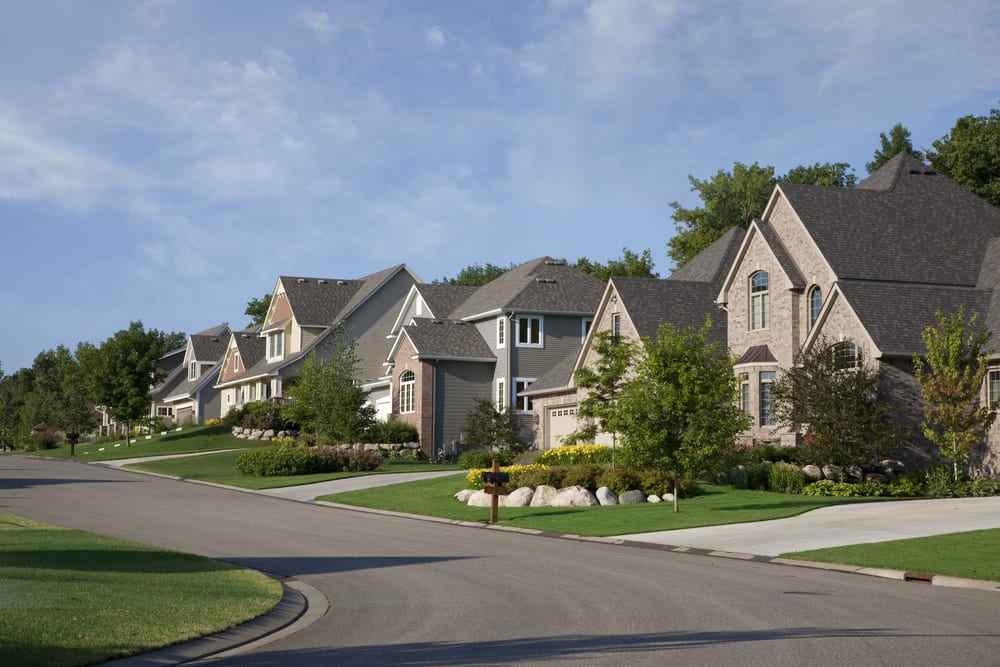
Dublin incorporated as a city in 1982 and grew rapidly through the following decades, transitioning from a small agricultural and ranching community into one of the East Bay's most dynamic suburban cities. New construction has chiefly taken place in master-planned communities such as Dublin Ranch and Schaefer Ranch on the city's eastern edge, as well as near the Dublin/Pleasanton BART station — offering two-story homes with larger lots and modern amenities, while older ranch-style homes from the 1970s line the west side. That layered history — Gold Rush heritage, mid-century ranches, and modern master-planned communities — gives Dublin a residential depth that purely new-construction markets lack.
Situated at the junction of I-580 and I-680, Dublin is approximately 30–45 minutes to downtown Oakland or San Francisco by car in off-peak hours, with BART service from two stations providing direct access to the rest of the region. The city sits at the mouth of Amador Valley, where the Diablo Range meets the flat valley floor, giving residents access to rolling hills, regional trails, and open space that is characteristic of the Tri-Valley corridor.
Dublin is served by two Bay Area Rapid Transit stations — Dublin/Pleasanton and West Dublin/Pleasanton — making it one of the few East Bay cities with dual BART access. Highway connections via I-580 and I-680 provide straightforward routes to Silicon Valley, Oakland, Sacramento, and the Central Valley. Dublin's convenient location makes it a major transportation hub ideal for commuters across the region.
Dublin attracts a population that reflects the modern Bay Area in miniature — highly educated, professionally driven, internationally diverse, and deeply family-oriented. The city's combination of top schools, BART access, and relative affordability compared to the Peninsula and South Bay creates a consistent draw across several distinct buyer and renter profiles.
Families are the backbone of Dublin's residential demand. The Dublin Unified School District's top-5% statewide ranking is the foundation the entire housing premium is built on, and it draws parents from across the Bay Area who are willing to pay the Dublin price premium specifically for the school pathway. Newer East Dublin communities like Jordan Ranch and Schaefer Ranch were designed with families in mind — parks, trails, and community amenities are built into the neighborhood fabric from the ground up.
Dublin's buyer base is solidly employed, with tech and biotech salaries that are generally strong but not at the FAANG-peak levels that pushed Peninsula prices into the stratosphere — making Dublin a practical landing spot for professionals who want Tri-Valley proximity to employers in Pleasanton, San Ramon, Livermore, and the broader Silicon Valley corridor without the commute penalties of San Jose or the price points of Cupertino.
Dublin's two BART stations make it one of the few East Bay cities with dual rapid transit access, drawing buyers and renters who work in the Financial District, Downtown Oakland, or other transit-accessible employment nodes and want more space and newer construction than the closer-in East Bay neighborhoods can offer at comparable price points.
Dublin's West and Central sub-markets offer entry points into the Bay Area luxury market that remain below Pleasanton, Danville, and San Ramon benchmarks, making them natural destinations for move-up buyers coming from Fremont, Hayward, or other more affordable East Bay cities, as well as buyers relocating from higher-cost coastal markets who are stretching their dollar to maximize square footage and school quality simultaneously.
Dublin is wonderfully diverse, with an especially large South Asian community alongside residents from across East Asia, the Middle East, and around the world — a demographic composition that is reflected in the city's restaurants, cultural events, and community organizations and is a defining characteristic of Dublin's identity as one of the Bay Area's most genuinely international suburbs.
Dublin's low crime rates, mild climate, BART access, and proximity to healthcare make it an increasingly appealing option for retirees who want suburban comfort, easy transit, and proximity to family without the maintenance demands of larger East Bay properties.
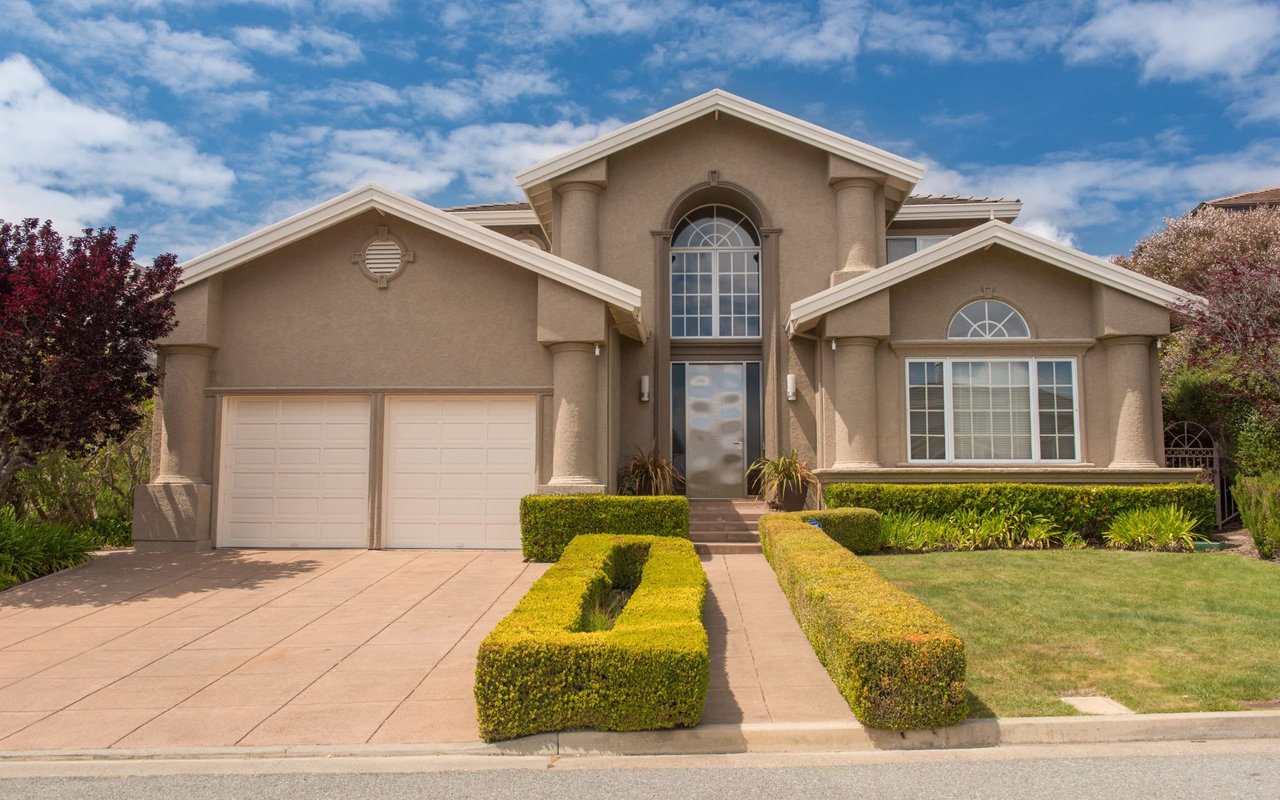
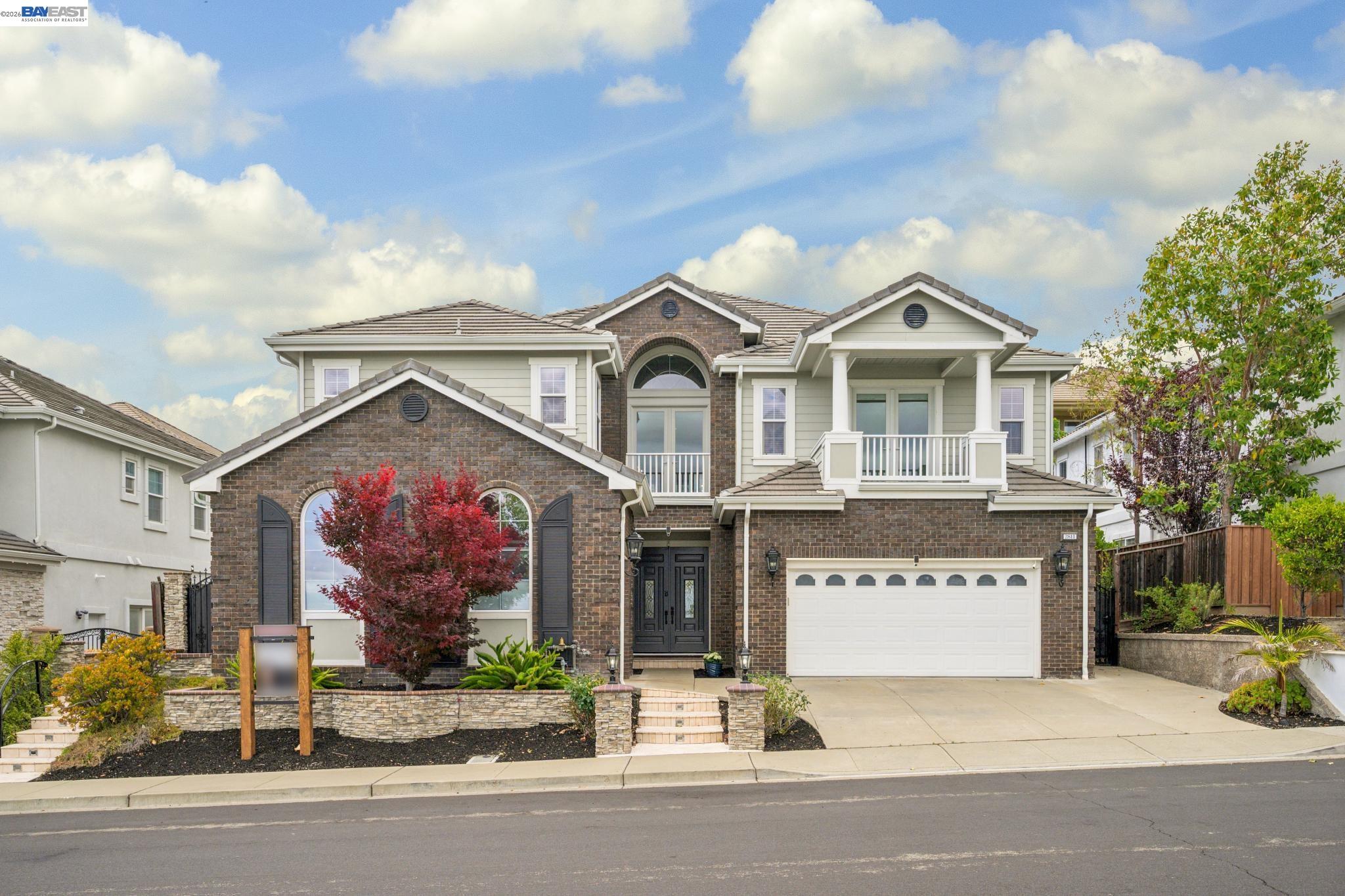
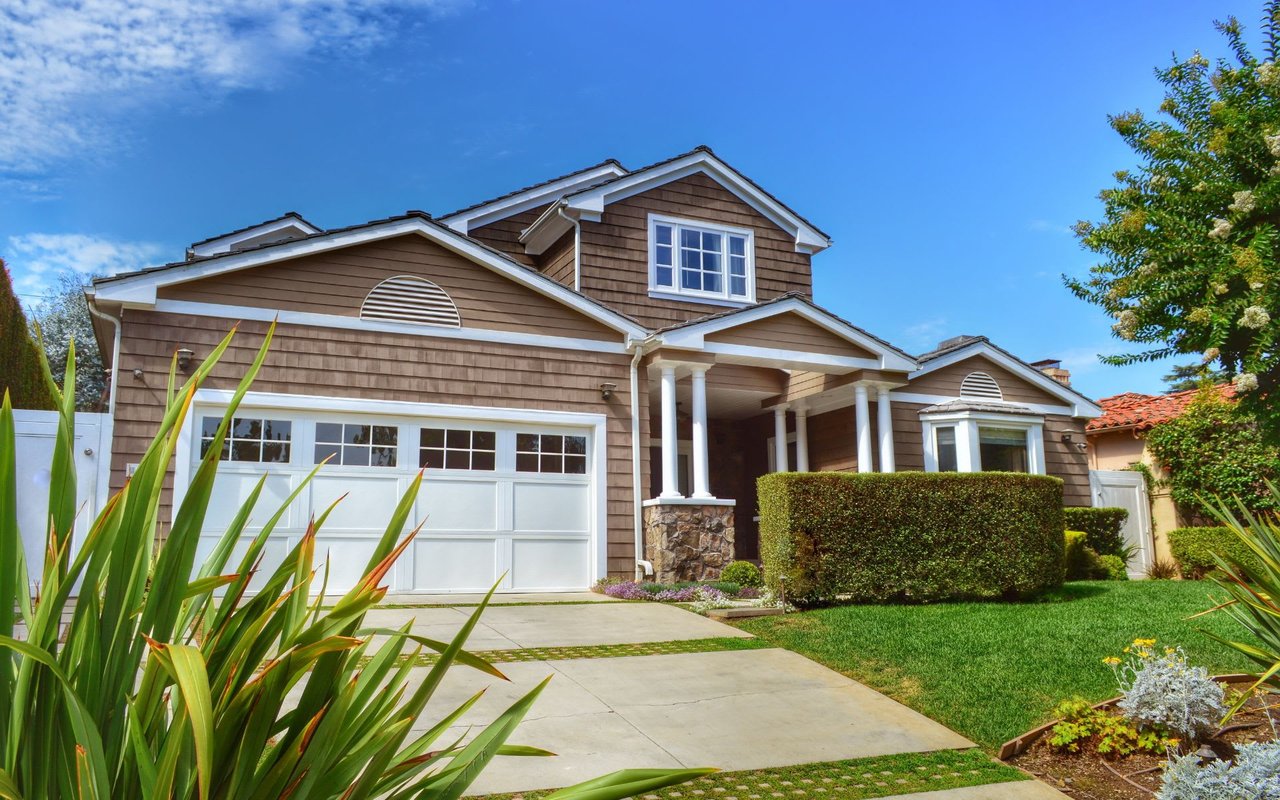
Dublin's housing stock reflects the city's growth arc — from modest mid-century ranch homes in the west to ambitious master-planned communities in the east — offering genuine variety across price points, vintages, and neighborhood characters.
East Dublin — encompassing Positano, Jordan Ranch, and Schaefer Ranch — sits at the top of the pricing band, typically $1.6 million to $2.8 million or more, with post-2005 master-planned neighborhoods offering larger square footage, newer construction, and premium lot positions. These communities feature HOA-managed amenities including parks, trails, and community centers, and represent Dublin's most polished and contemporary residential product.
Older ranch-style homes from the 1970s line the west side of Dublin, offering larger lots, mature landscaping, and more traditional neighborhood character at price points generally below East Dublin. West Dublin has benefited significantly from the West Dublin/Pleasanton BART station, which has lifted values along the transit corridor and attracted transit-oriented redevelopment nearby.
Townhomes and condos are concentrated near both BART stations and along Dublin's major commercial corridors, offering more accessible entry points into the Dublin market. These properties are particularly popular with young professionals, first-time buyers, and investors seeking strong rental demand from the BART commuter population. Prices for condos and townhomes generally range from the upper $700,000s to the mid-$1 million range depending on size, location, and amenities.
With limited vacant land remaining, most new building opportunities are infill projects or redevelopments of existing lots. When new construction does come to market in Dublin — particularly in active East Dublin communities — it attracts immediate buyer interest given the school district premium and the appeal of contemporary floor plans, energy-efficient systems, and builder warranties.
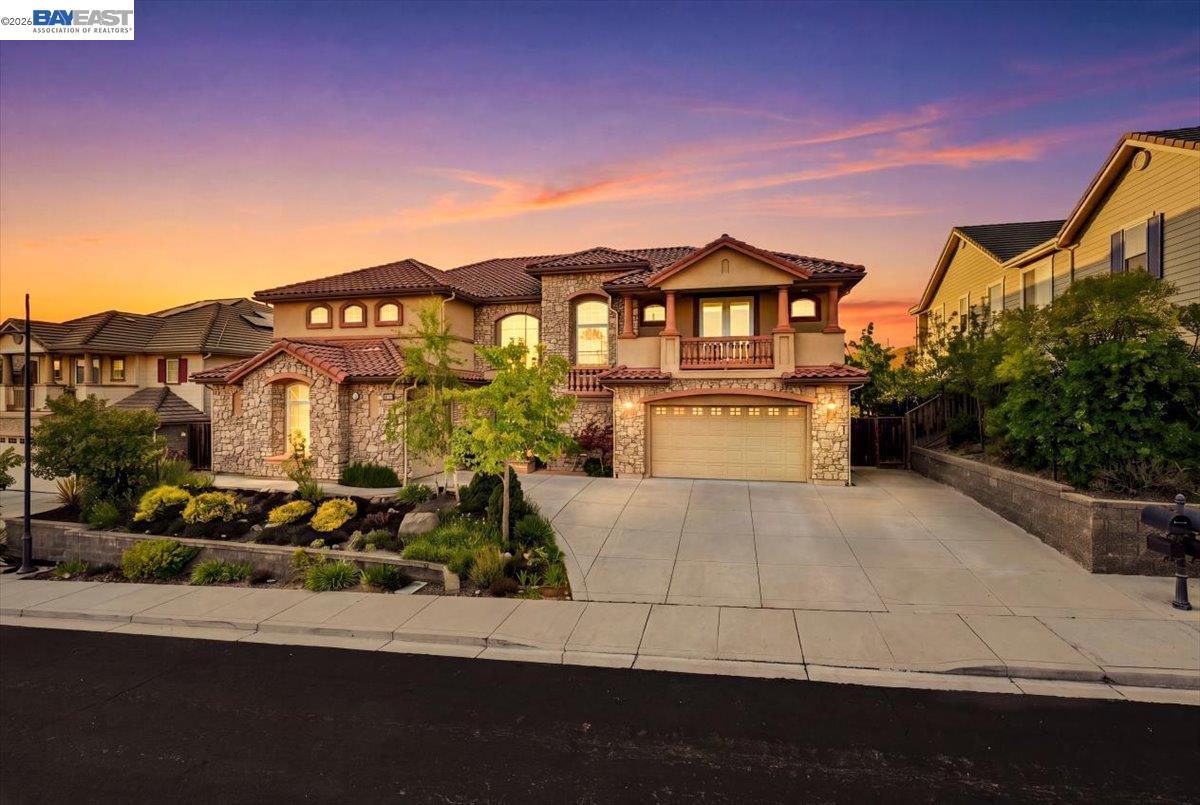
At the top end of the Dublin market, premium homes in gated or semi-gated communities along the Dublin Ranch corridor and in hillside positions at the city's eastern edge offer larger lots, panoramic Tri-Valley views, and custom-quality finishes. These properties regularly trade above $2.5 million and represent the full expression of what Dublin's school district, location, and community infrastructure can command.
As of early 2026, Dublin has settled into what might best be described as a transitional, lightly balanced market — no longer the extreme seller's market of 2021, but not a buyer's market either. The median sale price in February 2026 was $1,555,000, with an average of $720 per square foot — well below the 2022 peaks, but significantly above pre-COVID levels.
The single most useful fact about Dublin real estate pricing is that it is not one market. East Dublin — encompassing Positano, Jordan Ranch, and Schaefer Ranch — sits at the top of the pricing band, typically $1.6 million to $2.8 million or more. These are post-2005 master-planned neighborhoods with larger square footage, newer construction, and premium lot positions. Central Dublin, the neighborhoods around Amador Valley Boulevard and the historic downtown, offers a mix of older single-family homes, newer infill, townhomes, and condos, with pricing typically between $1.1 million and $1.7 million. West Dublin, anchored by newer transit-oriented development around the West Dublin/Pleasanton BART station, has seen strong price appreciation over the past five years.
Dublin Unified School District is the single biggest reason Dublin's prices hold up against macro headwinds — ranked #41 out of 1,907 California school districts, with math proficiency at 75% versus 34% for the California public school average, and reading proficiency at 80%. That academic infrastructure is the foundation the entire housing premium is built on, and it is not going away.
East Dublin is known for its newer developments featuring modern homes and well-planned communities, while West Dublin offers a more established feel with tree-lined streets and a variety of architectural styles. The two areas attract different buyer profiles, carry different price points, and behave differently in the market. Understanding which sub-market aligns with your lifestyle, commute, and budget before beginning a serious search will save significant time and prevent misaligned offers.
Dublin Unified School District's top-5% statewide ranking is the primary driver of Dublin's housing premium — and that premium is only accessible to buyers whose specific property address falls within DUSD boundaries. Always confirm attendance boundaries for a specific parcel, and verify middle and high school pathways alongside elementary assignments.
Both BART stations serve the city well, but their influence on neighborhood character and pricing differs. The West Dublin/Pleasanton station has driven significant transit-oriented development and price appreciation in surrounding blocks. The Dublin/Pleasanton station serves the eastern end of the city. Buyers who rely on BART daily should evaluate walking distance and parking availability at their preferred station before selecting a neighborhood.
East Dublin's master-planned communities come with HOA infrastructure that maintains community appearance and amenities but adds meaningfully to monthly carrying costs. Fees in some communities exceed $300 to $500 per month. Buyers should review what's covered, what's restricted, and the financial health of the association — including reserves and any pending special assessments — before closing.
The long-run price trend in Dublin has been unbroken upward momentum since the post-2011 recovery, and waiting for a significant price correction has historically been a losing strategy. The fundamental drivers — school district quality, dual BART access, Tri-Valley employment proximity, and limited remaining developable land — are structural rather than cyclical, which supports Dublin's long-term investment case even in a normalizing market.
Pricing your West Dublin ranch off a $1.55 million citywide median will leave you sitting for 60-plus days. Price off the three closest comps of similar vintage in the same sub-market. Dublin's distinct East, Central, and West pricing tiers require neighborhood-specific comparable analysis — sellers who use precise, current comps consistently outperform those who anchor to broader averages.
Dublin Unified School District's ranking is the foundation the entire housing premium is built on and is the primary reason buyers from across the Bay Area are targeting Dublin specifically. Every listing should make the school pathway explicit — including which elementary, middle, and high school the property feeds, and how DUSD's rankings compare to neighboring districts. Buyers are searching for this information; sellers who surface it clearly create an immediate competitive advantage.
Well-presented, correctly priced homes in Dublin are still selling in two to three weeks. The 2021-era urgency has faded, but Dublin is not a slow market — bad preparation, bad photography, or bad pricing is what causes homes to sit, not a fundamentally weak market. Pre-listing inspections, professional staging, and accurate pricing from day one are the highest-return investments a Dublin seller can make before going live.
Spring — late February through May — brings the strongest buyer activity in Dublin, driven by families aligning their purchase timelines with the school enrollment calendar. Well-positioned listings that hit the market in early spring consistently see the best combination of buyer volume, competitive offers, and favorable sale-to-list ratios. That said, Dublin's BART-driven buyer pool and strong year-round employment base sustain meaningful demand outside the traditional spring window.
Two BART stations, direct I-580 and I-680 access, and positioning equidistant between San Francisco and Silicon Valley are tangible advantages that resonate deeply with Dublin's buyer pool. Marketing that quantifies commute times to major employment corridors — rather than simply stating "convenient location" — speaks directly to the decision-making framework of the tech and biotech professional buyers who dominate Dublin's demand.
Dublin enjoys a mild Mediterranean-influenced climate — warm, dry summers typically in the 80s to low 90s, and cool winters rarely dropping below the 40s. The Tri-Valley's inland position means slightly warmer summers and cooler winters than coastal Bay Area communities, with significantly more sunshine year-round. Spring and fall are ideal for outdoor activities, when the surrounding hills are green and the trails are at their best.
Emerald Glen Park is one of Dublin's crown jewels — a sprawling green space with swings, slides, sandpits, climbing structures, a rose garden, tree-lined paths, barbecue and picnic areas, and room for thousands of people at once. The city uses it for farmers markets, food trucks, and movies in the park. The Iron Horse Regional Trail's Dublin trailhead is at the Dublin/Pleasanton BART station, running all the way to Concord to the north and Pleasanton to the south, traversing residential neighborhoods, commercial areas, parks and greenbelts, and historic landmarks — with hiking, biking, and horseback riding as the primary activities. Dublin Heritage Park and Museums is a ten-acre area home to picnic areas, historic buildings, and a cemetery going back to the Gold Rush era of 1859.
Dublin Unified School District is ranked #41 out of 1,907 California districts — top 5% statewide — with math and reading proficiency rates roughly double the California public school average. DUSD is known for its academic excellence, competitive STEM programs, and strong extracurricular activities, preparing students for top universities and successful careers. Beyond academics, Dublin offers a wide range of parks, youth sports leagues, community programs, and family-oriented events throughout the year — including one of the Bay Area's most enthusiastically celebrated St. Patrick's Day festivals, a nod to the city's Irish heritage and name.
Dublin is served by two BART stations, providing direct access to San Francisco, Oakland, and the broader Bay Area transit network. Drive times to downtown Oakland or San Francisco in off-peak conditions typically run 30–45 minutes, with good highway access for drives to Silicon Valley, Sacramento, and the Central Valley. Many residents working in Tri-Valley tech and biotech hubs — including the Hacienda Business Park in Pleasanton and the Bishop Ranch complex in San Ramon — have commutes of 15 minutes or less.
Dublin has a vibrant and notably diverse food scene — restaurant options are wide-ranging, with strong representation of South Asian, East Asian, Middle Eastern, and American cuisines reflecting the city's multicultural community. Hacienda Crossings offers a full array of retail, dining, and entertainment anchored by a major cinema, while Dublin Place and Persimmon Place provide everyday convenience. For a more boutique downtown dining and shopping experience, neighboring Pleasanton and Danville are both a short drive away and offer the walkable main street character that Dublin itself is still developing in its newer western districts.
Yes. Dublin's mild climate, exceptional healthcare access via proximity to Stanford Health Care, John Muir Health, and ValleyCare Medical Center, low crime rates, and strong network of parks and recreation programs make it a practical and comfortable option for retirees. The BART access is particularly valuable for those who prefer not to drive, and the city's active community events calendar supports the kind of ongoing social connection that matters most in retirement.
East Dublin is known for its newer developments, featuring modern homes and well-planned communities — popular among those seeking contemporary living spaces with easy access to shopping and dining. West Dublin offers a more established feel, with tree-lined streets and a variety of architectural styles, a great choice for those who appreciate a more traditional neighborhood ambiance. Central Dublin bridges the two, mixing older ranch-style homes with newer infill development and the most accessible price points in the city. Each sub-market behaves differently in terms of pricing velocity, buyer profile, and days on market — making local expertise essential for both buyers and sellers navigating Dublin's real estate.
70,542 people live in Dublin, where the median age is 37.3 and the average individual income is $81,377. Data provided by the U.S. Census Bureau.
Total Population
Median Age
Population Density Population Density This is the number of people per square mile in a neighborhood.
Average individual Income
Dublin has 23,811 households, with an average household size of 2.87. Data provided by the U.S. Census Bureau. Here’s what the people living in Dublin do for work — and how long it takes them to get there. Data provided by the U.S. Census Bureau. 70,542 people call Dublin home. The population density is 4,632.1 and the largest age group is Data provided by the U.S. Census Bureau.
Total Population
Population Density Population Density This is the number of people per square mile in a neighborhood.
Median Age
Men vs Women
Population by Age Group
0-9 Years
10-17 Years
18-24 Years
25-64 Years
65-74 Years
75+ Years
Education Level
Total Households
Average Household Size
Average individual Income
Households with Children
With Children:
Without Children:
Marital Status
Blue vs White Collar Workers
Blue Collar:
White Collar: