On a clear Saturday, Stanford Avenue starts filling before 7 a.m. Hikers pull on trekking poles, someone's dog barks at the trailhead sign, and the forty-three spaces at the Stanford Avenue Staging Area go fast enough that by mid-morning the overflow spills onto Vineyard Avenue, Antelope Drive, and the stretch of Weibel Drive with its own posted rules for exactly this scenario. On a big weekend, the East Bay Regional Park District has counted up to two thousand visitors passing through the Stanford Avenue entrance alone. Everyone is headed the same direction: up.
What almost none of them know is that on the far side of that ridge, reached by a completely different road, someone is pouring a Cabernet Sauvignon that won Best of Class at the 2025 San Francisco Chronicle Wine Competition. Same mountain. Different road. And according to the park district's own signage, no way to walk between the two.
Same Mountain, Two Roads That Don't Meet
The park district maintains two main approaches to Mission Peak from the Fremont side. The Stanford Avenue Staging Area, tucked into the edge of Weibel, has those forty-three spaces and keeps seasonal hours, open until 8 p.m. in winter and 9 p.m. the rest of the year. The Ohlone College entrance on Mission Blvd offers a longer, more gradual climb with more than 900 parking spaces, which is why weekend hikers who arrive after 8 a.m. get steered there instead.
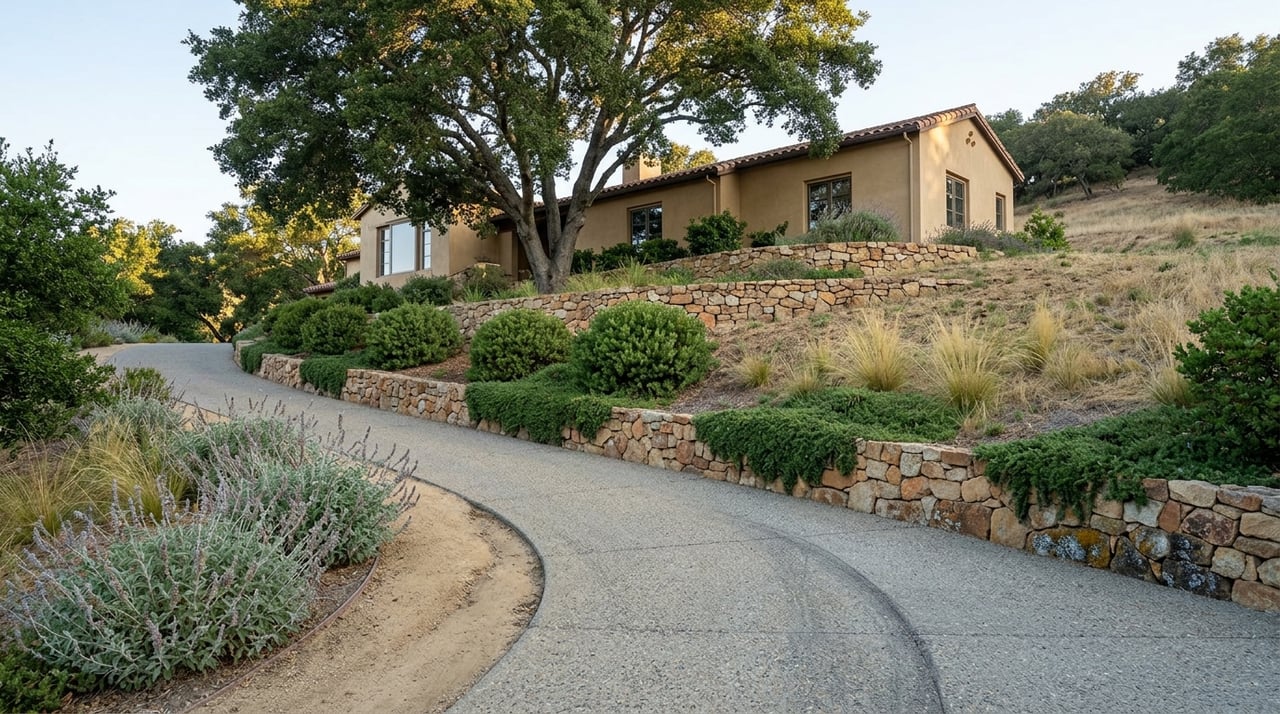
Neither entrance touches Mill Creek Road. The park district states it plainly on its own trail map: there is no public access to Mission Peak from Mill Creek Road. That detail matters because Mill Creek Road is the address for Mission Peak Wine, a working ranch on the north side of the same mountain every Weibel hiker climbs. The winery describes its property as 150 acres at roughly 1,600 feet elevation, with grapes grown on-site and irrigated from artesian springs rather than the city water system. The wine is real, the awards are real, and none of it is reachable on foot from the trail you use every weekend. Mission Peak Wine operates by appointment, off a separate road, on private land that happens to share a mountain with a regional park.
The Vines Weibel Was Already Named For
There's a resonance here that predates the current vineyard by decades. The neighborhood takes its name from Louis Weibel, a Swiss immigrant who settled the area in the late 1800s and ran a dairy operation on what became some of Fremont's most recognizable hillside acreage. Vineyards once covered stretches of that same ground before postwar housing tracts replaced them in the mid-20th century, a shift most of the East Bay went through around the same time. The grapevines are back on the mountain now, just on a different parcel and under a different name, a coincidence worth knowing if you've driven past the trailhead every week without realizing what sits on the other side of it.
How Residents Actually Get a Glass
Because Mission Peak Wine isn't a walk-in tasting room, getting there takes a little planning. Tastings are by appointment, and the property also hosts private events at two venues: the Lake Pavilion, which overlooks a private lake and dock, and the Rec Hall, which looks out over the vineyard rows and can accommodate up to 100 guests outdoors. For a lower-commitment introduction, the current lineup, Cabernet Sauvignon, Red Blend, Sauvignon Blanc, Pinot Noir, and Rosé, shows up by the glass at Fremont community events most Friday evenings, no reservation required. It's also poured at a short list of local spots, including Jack's Brewing Company in Fremont, Vinum Wine Bar in Newark, and Task Taproom in Berkeley.
The winery runs its own public tastings a few times a year rather than on a set schedule. The first one of 2026 landed on February 28, a wine club pickup event open to non-members for $40, structured as bring-your-own-picnic on the lawn. A second one on May 16 paired a five-wine tasting flight with a live set from guitarist Nathan X Moody in the covered pavilion. Both were booked through the winery's own tastings page rather than a general events calendar, which means watching that page directly is the only reliable way to catch the next one.
The Loop That Comes Before or After
None of this requires giving up the rest of the Weibel routine, since a lot of that Saturday happens at Ohlone Village anyway, the small shopping center a short drive from the trailhead. Royal Food Market stocks German breads and halal meats for anyone restocking the pantry on the way home. Next door, Fan Bistro serves Hunan dishes, including spicy lamb and lotus root, for those who earned something heartier than a protein bar. Mission Pizza brings in live music on weekends along with gluten-free crusts and a beer list running past three dozen varieties, and Cantaritos Restaurant & Bar keeps its fajita grill going six days a week. West of the neighborhood, Warm Springs Plaza rounds things out with a CVS Pharmacy and a rotation of smaller eateries and personal care shops.
The Permit Paperwork That Comes With Living Here
The flip side of sitting minutes from one of the most climbed peaks in the East Bay is the parking rules that came with its popularity. The city's Mission Peak Parking Permit Program, established in 2016, still restricts on-street parking near the trailhead on Saturdays, Sundays, and federal holidays, the exact windows when hiker traffic peaks. A hundred of those restricted spaces sit on Weibel Drive itself, positioned away from front doors but still off-limits to non-permit vehicles during those hours. It's a small, specific piece of neighborhood logistics that outsiders never think about and residents plan their weekends around without a second thought.
Two Landmarks, One Hillside
Weibel's identity comes from sitting at the base of a mountain that draws hundreds of hikers on a good weekend and hides a working vineyard on the far side most of them will never see. That's not a contradiction so much as an accurate description of the place. Whether the next Saturday plan involves trekking poles and a 6 a.m. start or an appointment for a tasting flight at 1,600 feet, both experiences sit minutes from the same front door. They simply don't share a trailhead.
If you're the kind of person who wants a neighborhood explained at this level of detail, whether you already live here or are just starting to look, Joe Schembri and his team have spent decades learning Fremont block by block. Let's Connect.